

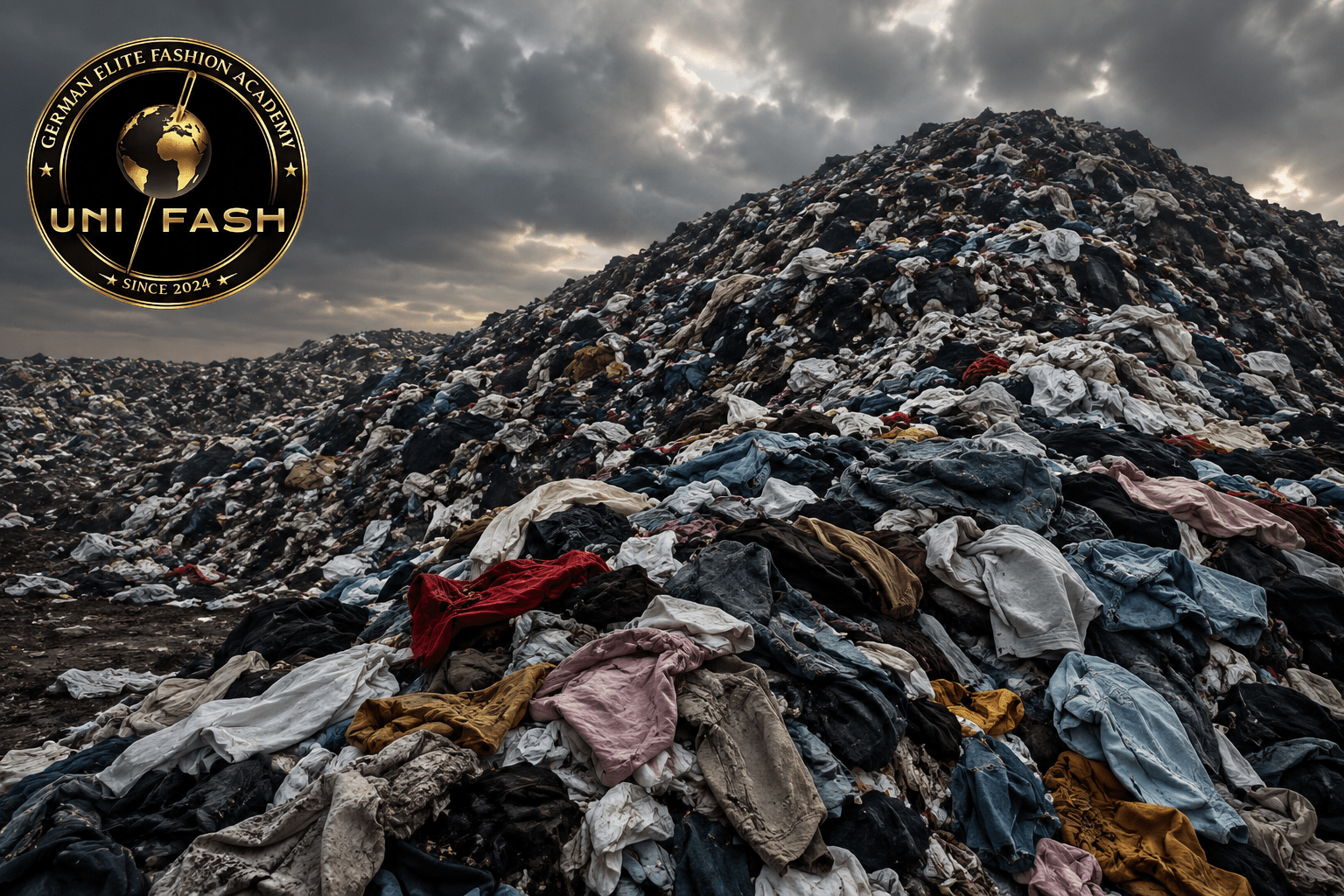
The European fashion weeks of Spring 2026 will be dominated by one theme: sustainability. Alongside innovative collections, attention is turning to Brussels. The EU has decided to ban the destruction of unsold textiles. According to the European Commission, around 4 to 9 percent of unsold textiles in Europe are destroyed each year before they are even worn. This causes approximately 5.6 million tonnes of CO2 emissions.
This presents a unique opportunity for luxury labels, couture houses and bespoke tailors: Craftsmanship, durability and individual manufacturing are becoming the strongest argument against fast fashion and overproduction, not only aesthetically but also ecologically.
What the new EU regulation provides for
- Disclosure obligation and prohibition: From 19 July 2026, large companies will be prohibited from destroying unsold clothing, accessories and shoes. This will be followed by medium-sized companies in 2030.
- Promoting the circular economy The EU is strengthening business models such as resale, remanufacturing, donations, reuse, and recycling.
- CO2 Reduction The regulation is intended to significantly reduce the climate impact of discarded textiles and move the fashion industry towards a circular economy.
Why craftsmanship and couture benefit
- Made-to-Order instead of Mass Production Bespoke tailoring produces only as needed. This means there is no unnecessary overproduction.
- Longevity as a luxury argument: Couture clothing is made to a high standard, tailored, repaired, and worn for many years.
- Sustainability through quality Real craftsmanship is not a marketing trend, but an alternative to fast fashion.
The future of fashion lies not in more production, but in better production.
Digitalisation, AI and Fashion Education as drivers of sustainability
- 3D Design and Virtual Prototyping Digital designs and virtual prototypes can shorten development cycles and reduce material consumption.
- AI as an efficiency driver: Artificial intelligence can help to plan demand better, deploy resources more precisely and make production processes more flexible.
- Tomorrow's fashion education: UniFash combines bespoke tailoring, digital learning methods, and future-oriented fashion education.
Fast Fashion under pressure – our responsibility
The new EU ban primarily affects a business model based on overproduction, fast trends, and short lifecycles. Those who mass-produce clothing will in future have to explain what happens to unsold goods.
Consumers increasingly expect transparent supply chains, durable products, and genuine sustainability. Brands that combine craftsmanship, quality, and digital innovation will gain credibility.
The Role of UniFash
UniFash not only imparts craftsmanship but also a new understanding of responsibility within the fashion industry. Our training combines tailoring, fashion design, digital learning structures, and sustainability awareness.
Conclusion – Luxury Fashion with Responsibility
The EU ban on the destruction of unsold goods is a milestone for a more sustainable fashion economy. For couture houses, bespoke tailors, and training institutions like UniFash, it means a tailwind: craftsmanship, customisation, and digital competence are becoming central drivers of success.
Become part of the new Fashion Education.
Discover UniFash's online further education in fashion design and tailoring.
Find out moreEuropean Commission New EU rules to stop the destruction of unsold clothes and shoes